
Best Hyperbaric Chamber for Home Use: 2026 Guide |
Discover top-rated home hyperbaric chambers that boost recovery, wellness, and longevity in 2026. |
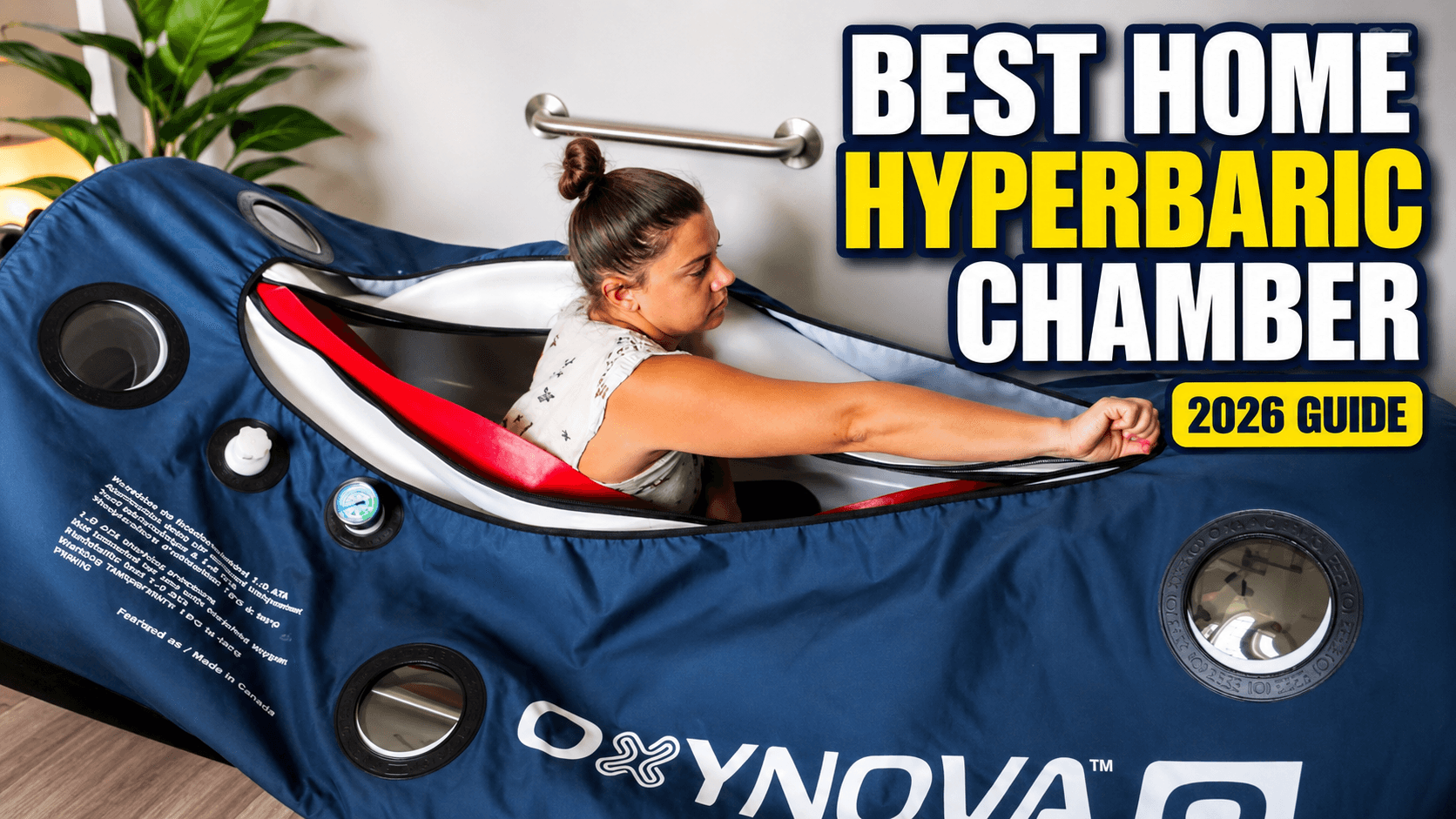
Shopping for a home hyperbaric chamber? It’s honestly a maze out there—every brand claims they’re the best. But the real decision boils down to a handful of practical things: pressure level, chamber size, safety certifications, and how you plan to use it.
The best hyperbaric chamber for home use is usually a soft-shell or hard-shell model that operates at a pressure your doctor recommends. It should fit your space and meet recognized safety and equipment standards.
Most personal chambers for home wellness run between 1.3 and 1.5 ATA. Higher-pressure hard-shell units are mostly for clinics and need medical supervision.
This guide covers top picks for different needs and what pressure ratings actually mean. You’ll see how to compare features like zippers, compressors, oxygen concentrators, and viewing windows. |
You’ll also get a sense of what these chambers cost to buy and maintain. There’s a quick checklist to go through before you spend anything.
Key Takeaways
Top Home Chamber Picks by Buyer NeedHome hyperbaric chambers fall into a few clear categories. There are soft-shell lie-down models around 1.3 ATA, hard-shell units that hit 1.5 to 2.0 ATA, sitting designs for people with mobility limits, and compact portable options for tight spaces. Your pressure goal, budget, ceiling height, and how easy it is to get in and out all play a role in what’s best for you.
Best Overall for Everyday Home Use
The OxyHealth Vitaeris 320 is a go-to for families who want something reliable for daily use. It’s a soft-shell model with a 32-inch diameter, so most adults can lie flat, shift around, or sit up partway.
Pressure tops out near 1.3 ATA, which is what most home soft chambers offer. OxyHealth’s support is a big plus, parts are easy to find, and most U.S. metro areas have technicians familiar with the equipment. Set aside about 8 to 9 feet of floor length and make sure there’s an outlet for the compressor. If you want higher oxygen levels, pair it with a 10 LPM oxygen concentrator. |

Best Budget Soft-Shell Option
The Newtowne C4-27 is a solid pick if you want a real chamber but can’t swing $20,000. Its 27-inch diameter is narrower than the Vitaeris, so it’s better for smaller adults or kids than for broad-shouldered folks. It still hits 1.3 ATA, just like the wider models.
Newtowne builds in New England and sells direct, which keeps prices down.
You’ll get a shorter warranty and fewer service centers than with bigger brands, though.
Before you buy, check:
Best Hard-Shell Chamber for Higher Pressure
If you need pressure above 1.3 ATA, you’ll want a hard shell chamber. The OxyRevo Space60 is one of the more accessible options here.
Steel or aluminum construction lets these hold 1.5 to 2.0 ATA. That’s important because some protocols for wound healing or post-concussion care use those pressures.
There are tradeoffs. Hard-shell chambers weigh hundreds of pounds, usually need reinforced flooring, and cost two to four times as much as soft-shell models.
Plan for oxygen delivery. Higher pressure with concentrated oxygen means fire risk goes up, so grounding, fabric restrictions, and no-electronics rules are non-negotiable.
Check with your local fire marshal before installing. Some places treat hard-shell home units differently than soft-shell ones.
Best Sitting Chamber for Comfort and Accessibility
A sitting chamber solves the hassle of getting down to floor level with a lie-down model. The OxyRevo Quest30 is built around an upright seated position, so you step in through a door and sit, not crawl in. This helps if you’ve got hip or knee issues, back pain, or trouble breathing when lying flat. Sitting models also take up less floor space, maybe a 4-by-4-foot area instead of a long 9-foot run.
But the ceiling requirement goes up. Measure your room height first, since many sitting chambers are 6 feet or taller.
Being upright makes it easier to read, work on a tablet, or chat with someone outside during a session. |

Best Portable Chamber for Flexible Spaces
A portable chamber is handy when you need to share a room or move the chamber around. Summit to Sea builds several soft-shell models for this.
Their chambers deflate, fold, and fit into carrying cases, so you can stash one in a closet and set it up when needed. Setup usually takes 15 to 30 minutes for one person, less if you have help.
The compressor is the heaviest part, typically 30 to 50 pounds. Portability has its limits, though. Folding and unfolding the shell wears on seams and zippers faster than leaving it inflated, so check the zipper track and watch for pressure loss every few weeks.
Choose the Right Pressure and Chamber Type
Pressure is the real difference between one home hyperbaric chamber and another. It decides how much extra oxygen your blood can carry.
The chamber’s build matters too. Soft-shell and hard-shell chambers hold different pressures and come with very different price tags.
Understanding ATA Pressure and Oxygen Partial Pressure
ATA means “atmospheres absolute.” At sea level, you’re at 1.0 ATA. A chamber set to 1.3 ATA is 30% higher than normal air pressure.
Higher pressure pushes more oxygen into your plasma, not just your red blood cells. This is called oxygen partial pressure, and it goes up when pressure or oxygen percentage increases.
Two numbers really matter for each session:
|
 |
A 1.3 ATA chamber with a 10 LPM concentrator gives way more oxygen to tissue than 1.3 ATA with just room air. Ask the seller for both numbers before buying.
When a 1.3 ATA or 1.4 ATA Chamber Fits
Most chambers for home use run at 1.3 or 1.4 ATA. This is often called mild HBOT or mHBOT. These units are great for people who want regular sessions for wellness, workout recovery, better sleep, or fighting fatigue. They’re also practical if you live in an apartment or want to move the chamberr around.
Why this range works at home:
Just know that mild pressures haven’t been studied as much as hospital-level treatments. Set your expectations realistically.
Who May Prefer 1.5 ATA or 2.0 ATA
Chambers rated at 1.5 ATA and above get into clinical HBOT territory. Hospital protocols for things like diabetic foot ulcers, carbon monoxide poisoning, radiation injury, and decompression sickness use 2.0 to 2.5 ATA.
People buying in this range usually work with a doctor and follow a set protocol. Most manufacturers require a prescription for anything above 1.5 ATA.
|

Higher pressure does raise the chance of side effects like middle ear barotrauma and, rarely, oxygen toxicity. If you’re going above 1.5 ATA, medical supervision is much more important.
Soft-Shell Versus Hard-Shell Designs
Soft-shell hyperbaric chambers use a coated fabric bag with a zipper or bladder seal. They fold down for storage and usually weigh under 100 pounds.
These portable hyperbaric chambers max out at around 1.3 to 1.5 ATA because fabric just can’t safely hold more pressure.
Hard-shell hyperbaric chambers are built from steel or aluminum and have acrylic viewing windows. They hold higher pressures, feel steadier, and often come with a proper seat instead of just a floor mattress.
If you’re claustrophobic, check out a hard-shell unit with large windows or a soft-shell with clear panels. No matter what you pick, make sure it has third-party safety certification like PVHO-1 or an FDA clearance number.
Match the Chamber to Your Goals, Space, and Routine
The right home hyperbaric chamber really depends on what you want from it, who’s using it, and where it’ll actually go in your house. Pressure level, chamber shape, and room size all shift depending on whether you want better sleep, post-workout recovery, or just a comfy spot to sit for an hour.
General Wellness, Sleep, and Daily Energy
Most people shopping for a personal hyperbaric chamber want it for general wellness, not a specific diagnosis. That usually means soft-shell models running at 1.3 to 1.5 ATA.
Sessions at these pressures last about 60 to 90 minutes. People often mention better sleep and more stable energy, but honestly, the research on mild pressure for healthy adults is still pretty limited.
If you plan to use it daily, pick a chamber you can get in and out of by yourself. A simple zipper, a quiet compressor, and an easy pressure schedule make it way more likely you’ll stick with it.
Be realistic about what to expect. You’ll see big claims like cellular repair or anti-aging in ads, but the strongest clinical evidence is still for higher-pressure medical treatments in clinics or hospitals.
Athletic Recovery and Post-Training Support
If you’re after athletic recovery, the chamber needs to fit your routine—which probably already includes training, meals, and sleep. Most people find a session right after a tough workout or in the evening is easiest to keep up.
Look for these features if you’re focused on recovery:
Some people stretch or read during sessions, while others just nap. Claims about cardiovascular health and cognitive function pop up a lot here, but honestly, these are still being studied.
Comfort, Mobility, and Claustrophobia Considerations
Chamber shape matters more than you’d think. A sitting chamber lets you read, work on a laptop, or watch something, and sitting up usually feels less confining than lying down.
Lie-down soft-shell models are cheaper and more common, but the interior height is often just 26 to 34 inches. That can feel pretty tight if you’re claustrophobic.
Here are a few features that help with comfort:
|
 |

If you have knee, hip, or back issues, consider a chamber with a low entry or a rigid frame you can grip. It might cost more, but it’s worth it for easier access.
Room Size, Delivery Access, and Ventilation
Measure your space before you buy. Most soft-shell chambers take up about 8 feet by 3 feet, and you’ll need at least 2 feet of clearance on the zipper side, plus room for the compressor and concentrator.
Check your delivery path. Hard-shell chambers can weigh 500 to 900 pounds and may not fit through standard doors or up stairs.
Good ventilation is a must. Compressors pull in room air, so the chamber needs to sit somewhere with fresh airflow and no fumes from garages, paint, or cleaning products.
Expect some heat and noise. Compressors can warm up a room and run at 50 to 65 decibels. Honestly, a spare bedroom or finished basement is usually better than a closet.
Compare Essential Equipment and Safety Features
The most important parts of a home hyperbaric chamber are the oxygen source, pressure controls, the paperwork behind the product, and your own health screening. Each one affects how safe and useful the chamber will be for you.
Oxygen Source, Flow Rate, and Purity
Most soft-shell home hyperbaric chambers use compressed ambient air, which is about 21% oxygen. If you want to breathe concentrated oxygen, you’ll need a separate oxygen concentrator hooked up to a mask or hood.
For home use, a 10 LPM oxygen concentrator is the standard. Smaller 5 LPM units just can’t keep up with what most adults need during a session. Check the purity rating. Good concentrators deliver 90-95% oxygen at their rated flow, but purity often drops as you turn up the flow, so look at the specs for 10 LPM, not just 2 LPM.
Two more things to look for:
Remember, an oxygen concentrator isn’t the same as a medical oxygen tank. Tanks store oxygen under high pressure and bring extra fire and storage concerns at home.
Pressure Controls and Emergency Release Features
Most home hyperbaric chambers run between 1.3 and 1.5 ATA, or about 4 to 7 psi above normal air pressure. Anything above that is really for clinics and needs trained staff.
Look for these controls before you buy:
|
 |
Test the emergency release when the chamber is empty so you know how it works and how long it takes. Most units take 5 to 15 minutes to return to normal pressure safely.
Zippers matter, too. Dual-zipper designs with a lock reduce the risk of a sudden seal failure.
Certifications, Regulatory Status, and Manufacturer Support
Certifications show whether a chamber was built and tested to a known standard.
Ask for real documentation, not just a logo. A true ISO 13485 certificate lists a registrar and expiration date. Support after the sale matters. Check the warranty, whether you can get replacement zippers and valves, how often it needs servicing, and if the company offers setup help or phone support.
Medical Screening and Contraindications
Get medical clearance before your first session, even if you’re just using a 1.3 ATA chamber. Your doctor should check your history, current meds, and any recent illnesses.
An untreated pneumothorax (collapsed lung) is a hard no. The pressure can make it worse—fast.
Talk to your doctor first if you have:
You might get mild ear pressure, sinus discomfort, or feel tired after a session. Clear your ears during pressurization just like you would on a plane.
If you feel sharp ear pain, chest pain, or shortness of breath—stop, depressurize, and call your doctor.
Understand Home Hyperbaric Chamber Costs and Ownership
The price you’ll pay for a hyperbaric chamber for sale depends on pressure rating, shell type, and the oxygen system included. Don’t forget to factor in space for setup, electricity, replacement parts, and what kind of support you’ll get after the sale.
Typical Pricing by Chamber Category
Home hyperbaric chamber cost falls into a few clear tiers.
|
Brands like Oxygen Health Systems, Summit to Sea, and Newtowne mostly stick to the first three tiers. Higher pressure chambers cost more because they need thicker acrylic or steel, certified fittings, and extra testing.
Used chambers sell for 30% to 50% less. Always ask for service records and check the age of the seams and zippers.
Installation, Accessories, and Operating Expenses
Most soft chambers need about 8 feet by 4 feet of floor space and a standard 110V outlet. Hard-shell units might need reinforced flooring and a dedicated circuit.
Plan for these ongoing costs:
Some sellers charge extra for a chiller, an air conditioning port, or an intercom.
Ask what is bundled before you compare quotes.
Warranty, Service, and Long-Term Value
Warranty terms vary a lot. Soft chambers often carry a 1 to 5 year warranty on the shell and 1 to 2 years on the compressor.
Hard-shell units may offer 5 to 10 years on the pressure vessel. Ask three questions before you buy:
If you use a chamber four times a week and take care of it, it can last a decade or more.
That stretches a $15,000 purchase to under $30 per session—usually less than a single clinic treatment.
Model Comparison Checklist Before You Buy
Picking a home hyperbaric chamber really comes down to three things: does it fit your body and your room, does the pressure and oxygen setup match your goals, and can the seller back up what they promise?
Work through each item below before you send money.
Compare Dimensions, Capacity, and Entry Style
Measure your room first, then your doorway, then the chamber itself.
A soft chamber like the OxyHealth Vitaeris 320 has a 32-inch inflated diameter. The OxyRevo Quest30 sits at 30 inches, and the Elite36 opens up to 36 inches. Interior width matters more than length for most people. If you’re broad-shouldered or want to sit upright, a 27-inch model like the Newtowne C4-27 will feel pretty tight.
Also check:
Review Pressure, Oxygen Compatibility, and Build Standards
Soft-sided home chambers usually top out around 1.3 to 1.5 ATA.
The OxyRevo Elite32 and Summit to Sea models sit in that range. Hard shell units like the OxyLife I can reach higher pressures, often 1.5 to 2.0 ATA.
Ask how oxygen is delivered. Most home chambers pressurize with ambient air and add oxygen through a concentrator and mask or hood, not by filling the whole chamber with oxygen.
Fire safety isn’t optional. Chambers should use flame-resistant materials.
Never bring petroleum products, batteries, or heating pads inside.
Verify Seller Claims and Request Documentation
Ask for the FDA clearance number in writing. In the United States, home chambers are regulated devices, and a legitimate seller can name the specific clearance and the pressures it covers.
Then request these documents before purchase:
Be skeptical of ads that list treatment for conditions the chamber was never cleared for.
Compare the seller’s claims against the manufacturer’s own specification sheet for models like the Vitaeris 320 or Quest30.
Finally, ask who installs it and who trains you. If a seller just ships a box with no setup support, you’re left guessing on pressure limits and emergency procedures.
Frequently Asked QuestionsHome hyperbaric chambers range from about $5,000 for a basic soft-sided model to over $150,000 for a hard-sided unit. The two types differ in pressure, oxygen delivery, and setup requirements. Below are answers about pricing, safety features, buying options, and the side effects worth knowing before you start.
How much does a home hyperbaric chamber typically cost?
Soft-sided chambers usually cost between $5,000 and $25,000. These are the portable, inflatable models that reach around 1.3 ATA.
Mid-range soft chambers with sturdier zippers, better oxygen concentrators, and longer warranties tend to land in the $12,000 to $20,000 range.
Hard-sided chambers cost much more. Expect $25,000 to $150,000 or higher, depending on size and pressure rating.
Don’t forget the extras. An oxygen concentrator can add $2,000 to $6,000, and you might need electrical work, delivery help, or a service plan.
Are at-home hyperbaric chambers effective?
It depends on what you’re using it for and what pressure your chamber reaches.
The FDA has cleared hyperbaric oxygen therapy for 13 conditions, including carbon monoxide poisoning, decompression sickness, certain non-healing diabetic wounds, and radiation tissue injury.
Those treatments require pressures around 2.0 to 3.0 ATA, which only hard-sided medical chambers deliver. Most home chambers are “mild” units at 1.3 to 1.5 ATA. Research on these lower pressures is smaller and less conclusive.
Some users report better sleep, faster recovery after workouts, and reduced fatigue. Those reports are real, but they aren’t the same as clinical proof.
Talk to your doctor before buying. If you have a condition that needs true hyperbaric oxygen therapy, a home mild chamber likely won’t provide the dose you need.
What safety features should I look for in a home hyperbaric chamber?
A few features matter more than the rest:
Check the certifications too. Look for FDA clearance and compliance with standards like PVHO-1, which covers pressure vessels for human occupancy.
Never use one alone if you’re new to it. Have someone nearby who knows how to operate the controls.
What is the difference between soft-sided and hard-sided hyperbaric chambers?
Soft-sided chambers are made of coated fabric over a frame. They inflate with compressed air and typically max out at 1.3 to 1.5 ATA.
They fold up, weigh under 100 pounds in many cases, and plug into a standard outlet. Most deliver oxygen through a mask or concentrator rather than filling the whole chamber.
Hard-sided chambers are built from steel or acrylic. They reach 2.0 ATA and higher, and many can be pressurized with pure oxygen.
They’re heavy, need dedicated space, and usually require professional installation. Some models need a 220-volt circuit.
The short version: soft chambers are for wellness and general recovery at home. Hard chambers are what clinics use for FDA-cleared medical treatment.
Where can I buy a reliable hyperbaric chamber for home use?
Buy directly from established manufacturers when you can. Companies like Summit to Sea, OxyHealth, Newtowne Hyperbarics, and Macy-Pan sell to individuals and provide setup support.
Medical equipment dealers are another route. They often carry multiple brands and can help compare specs.
Avoid unverified sellers on general marketplaces. Chambers with no FDA clearance, no serial number, or no service history are a real risk.
Before you buy, ask three questions:
A legitimate seller will answer all three without hesitation.
What are the potential risks and downsides of hyperbaric oxygen therapy at home?
Ear and sinus barotrauma is honestly the most common issue with a home hyperbaric chamber. Pressure changes can hurt or, worse, cause an eardrum injury.
Clearing your ears during pressurization usually helps, but it’s not a guarantee for everyone.
Some folks notice temporary nearsightedness after repeated sessions in their personal hyperbaric chamber. The good news? That usually fades over several weeks once you stop treatment.
Fire risk is a big deal. Oxygen-rich environments burn fast, so you really shouldn’t bring electronics, lotions, synthetic fabrics, or anything flammable into the chamber.
Claustrophobia can hit hard, especially in a portable hyperbaric chamber or other narrow soft chambers. Not everyone’s comfortable with the tight space. If you’ve got an untreated collapsed lung, don’t use a hyperbaric oxygen chamber for home. The same goes for certain lung conditions, recent ear surgery, or if you’re on some chemotherapy drugs—definitely get a doctor’s OK first.
There’s also the fact that you’re on your own at home. In a clinic, staff monitor the pressure, timing, and how you’re handling things. With a home hyperbaric chamber, you’ve got to keep an eye on all that yourself, which isn’t always easy. |
0 Comments
Join the conversation
Be the first to comment
Share your thoughts above.