
Scottsdale Plans 60-Mile Water Pipeline to Secure Future Supply |
Exploring Scottsdale alternative water and Scottsdale water management |
Scottsdale is advancing its alternative water source initiatives, collaborating with prominent golf courses to implement a comprehensive plan.
The city is preparing for a significant infrastructure project estimated at $30 million, spanning approximately 60 miles.
Concerns about the Colorado River's diminishing flow have been escalating over recent years.
Scottsdale relies heavily on the Colorado River, with about two-thirds of its water sourced through the Central Arizona Project.
Anticipated reductions in this supply have prompted the city to seek alternative solutions.
City Manager Greg Caton emphasized the importance of diversifying Scottsdale's water portfolio to ensure long-term sustainability.
For decades, Scottsdale has been exploring alternative water sources to bolster its supply.
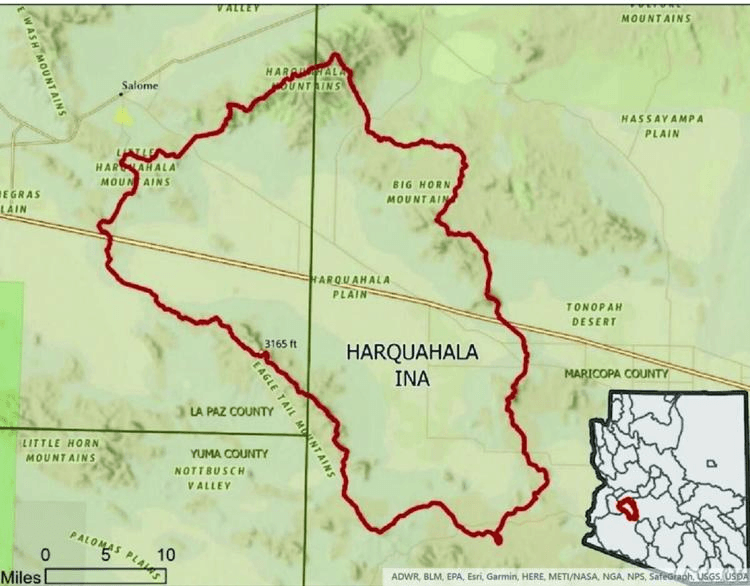
Instead of looking north to Colorado, the city has focused westward, targeting the Harquahala Valley beyond Buckeye.
Caton indicated that a complex plan, over two decades in development, is nearing completion.
However, the necessary infrastructure is projected to cost around $30 million.
Construction to deliver millions of gallons of water to Scottsdale is slated to commence next year.
In 2002, Scottsdale entered into agreements with Desert Mountain Properties Limited Partnership and CGP Granite Golf.
These agreements aimed to construct an irrigation water distribution system and storage project known as the IWDS.
Desert Mountain was responsible for two-thirds of the project costs, with Scottsdale National Golf Club covering the remaining third.
The city committed to providing up to 4 million gallons of water daily to the two golf courses.
In return, approximately 1,215 acres of land in the Harquahala Irrigation Non-Expansion Area were transferred to the city.
This land was expected to yield a long-term water supply of 3,460 acre-feet per year.
At a recent City Council meeting, Caton discussed the purchase of 15,000 acre-feet of long-term storage credits in the Harquahala Valley.
While Scottsdale typically consumes 70,000 to 80,000 acre-feet of water annually, this acquisition represents a strategic addition to the city's water reserves.
Caton highlighted an existing groundwater right in the Harquahala Valley, in partnership with the golf courses, amounting to 3,800 acre-feet annually.
He acknowledged the significant infrastructure required to convey this water to Scottsdale.
According to the 2002 agreement, Scottsdale's share of the water supply was 1,260 acre-feet per year.
Desert Mountain's share was 1,467.4 acre-feet, and CGP-Granite's share was 732.6 acre-feet annually.
In 2010, CGP-Granite and Desert Mountain facilitated the city's purchase of approximately 1,021 acres in the Harquahala Valley.
By 2013, this acquisition was expected to provide a long-term water supply of 2,910 acre-feet per year.
A subsequent purchase increased this to 3,645 acre-feet annually.
The original Harquahala Valley land was sold in 2014, generating $8.7 million deposited into the HVID account.
These funds have been reserved for the project's development.
The 2025-26 Scottsdale Capital Improvement Projects budget allocated just over $9 million for the Harquahala Valley Irrigation District Property.
The total budget over five years was nearly $16 million.
The 2026-27 budget shows just under $9 million allocated for the current year, with total expenditures approaching $15 million by 2031.
Bryan Bouchard, a spokesman for Scottsdale Water, stated that the current estimated cost to build the infrastructure needed to move water from the Harquahala Valley into the Central Arizona Project canal is approximately $30 million.
The project is in the design phase, with construction expected to begin in 2027.
Construction is anticipated to take 18 to 24 months.
The HVID fund is financed through contributions from the participating golf courses, which are ultimately responsible for covering all infrastructure costs.
The city manages the HVID infrastructure project but does not use taxpayer or general city funds for it.
Instead, the Pipeline Capacity Holders—golf courses—provide the necessary funding through a dedicated HVID account.
If construction costs exceed available funds, the city is not required to continue the project until additional contributions are made by the golf courses.
In essence, while the city oversees the project, the golf courses bear the financial responsibility and risk for building the HVID infrastructure.
Scottsdale's proactive approach to securing alternative water sources underscores its commitment to sustainable water management.
By collaborating with local golf courses and investing in infrastructure, the city aims to ensure a reliable water supply for its residents and businesses.
As the project progresses, Scottsdale continues to demonstrate leadership in addressing water scarcity challenges in the region. |
0 Comments
Join the conversation
Be the first to comment
Share your thoughts above.